
Discover 2025’s most exclusive metal credit cards! From titanium Amex Platinum to steel Chase Sapphire Reserve – uncover premium benefits, qualification requirements, and insider tips. Compare 20+ luxury cards with weights, materials, and rewards that define financial prestige. Is a metal card worth $500+ annually? Find out inside! 💳✨
The Rise of Premium Payment Cards in Modern Banking
In today’s evolving financial landscape, metal credit cards have emerged as the ultimate symbol of prestige and financial sophistication. These heavyweight payment instruments represent far more than just a means of transaction – they embody exclusivity, premium benefits, and a lifestyle statement that resonates with affluent consumers worldwide. As traditional plastic cards become increasingly commonplace, titanium and steel payment cards are revolutionizing how we perceive and experience premium banking services.
The transformation from conventional plastic to metallic bank cards isn’t merely aesthetic; it’s a comprehensive reimagination of what a payment card can offer. These substantial, tactile instruments deliver an unmistakable presence that commands attention at every point of sale, creating an experience that transcends ordinary transactions.
Understanding Premium Metal Payment Cards: What Sets Them Apart
The Physical Distinction of Luxury Credit Cards
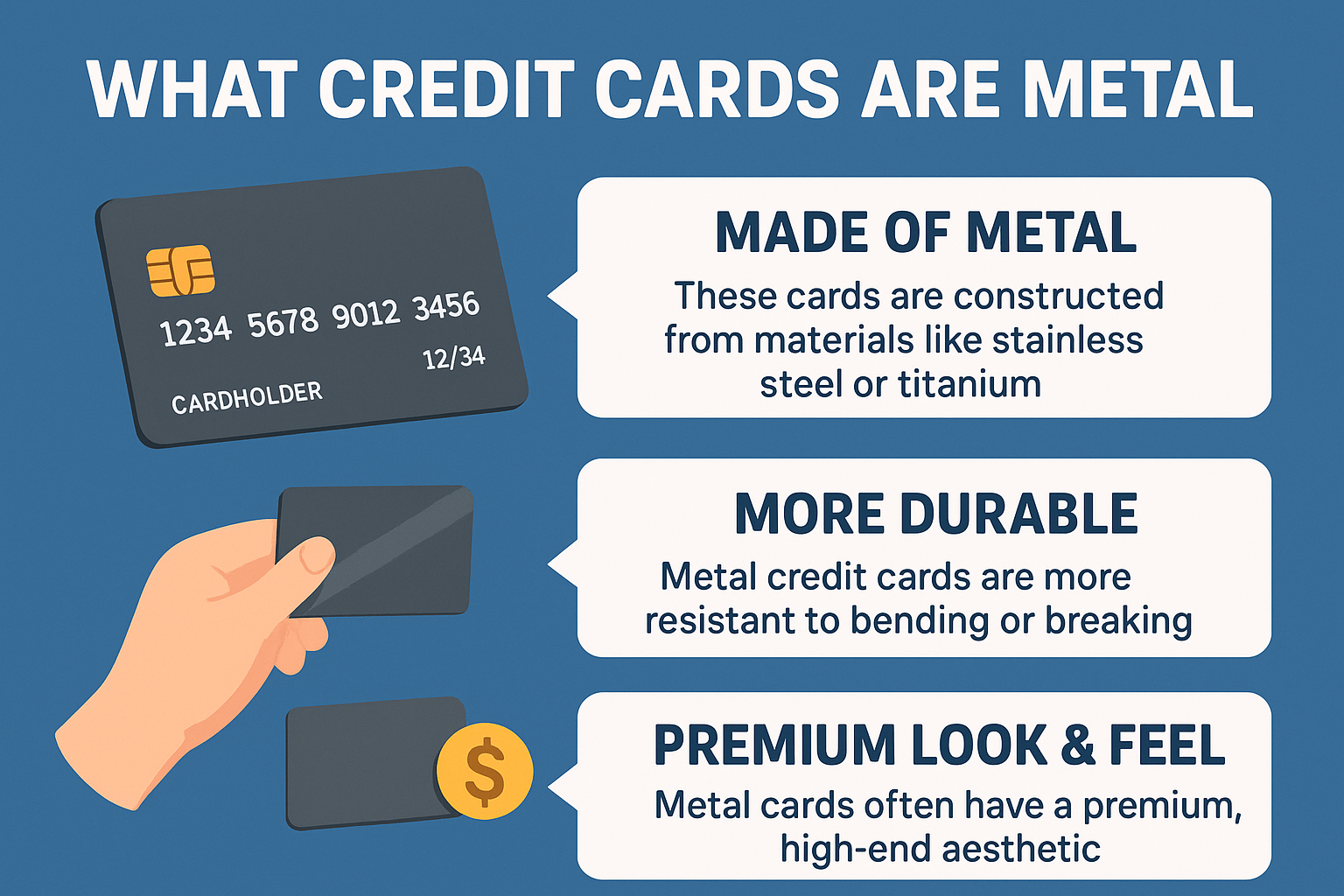
Heavy-duty credit cards crafted from premium materials offer a fundamentally different experience from their plastic counterparts. When you hold a stainless steel or titanium payment card, the weight immediately communicates substance and value. These cards typically weigh between 15 to 28 grams, compared to the standard 5 grams of traditional plastic cards. This substantial heft isn’t just for show – it represents durability, longevity, and a commitment to quality that extends throughout the cardholder experience.
The construction of these elite banking cards involves sophisticated manufacturing processes that combine multiple materials. Many feature a metal core sandwiched between protective layers, while others utilize solid metal construction with laser-etched details. The result is a payment instrument that feels substantial in hand and produces a distinctive sound when placed on surfaces – a subtle but powerful indicator of premium status.
Materials and Manufacturing Excellence
Modern luxury payment cards utilize various high-grade materials, each chosen for specific properties:
Titanium cards represent the pinnacle of durability and lightweight strength. This aerospace-grade material resists scratches, maintains its appearance over years of use, and provides an unmistakable premium feel. The manufacturing process for titanium cards requires specialized equipment and expertise, contributing to their exclusive nature.
Stainless steel cards offer exceptional durability and a classic aesthetic that appeals to traditionalists and modernists alike. The material’s resistance to corrosion and wear ensures these cards maintain their premium appearance throughout their lifespan. Advanced laser etching and engraving techniques allow for intricate designs and personalization options that wouldn’t be possible with standard plastic cards.
Brass and copper alloy cards provide a unique aesthetic with their warm, distinctive coloring. These materials develop a natural patina over time, creating a personalized appearance that reflects the cardholder’s usage patterns. Some issuers specifically choose these materials for their antimicrobial properties, adding a practical benefit to their aesthetic appeal.
Comprehensive List of Top Metal Credit Cards Available Today
Premium Travel Rewards Metal Cards
The American Express Platinum Card stands as perhaps the most iconic metallic charge card in the market. Weighing in at 18.5 grams, this stainless steel card offers unparalleled travel benefits including airport lounge access to over 1,400 locations worldwide, annual travel credits worth $200 for airline fees, and comprehensive travel insurance coverage. The card’s metal construction reinforces its position as a premium travel companion, designed to withstand the rigors of frequent international travel.
Chase Sapphire Reserve revolutionized the premium rewards card category with its distinctive blue metal design. This 13-gram card combines aesthetic appeal with substantial benefits including a $300 annual travel credit, Priority Pass Select membership, and earning 3x points on travel and dining purchases. The card’s metal construction has become synonymous with serious travel rewards, attracting affluent millennials and experienced travelers alike.
The Capital One Venture X entered the metal card arena with a sophisticated design that balances weight and functionality. At 16 grams, this steel rewards card offers competitive benefits including a $300 annual travel credit, complimentary Priority Pass membership, and 10x miles on hotel and rental car bookings through Capital One Travel. The card’s metal construction reinforces its positioning as a premium travel solution for modern consumers.
Exclusive Cashback Metal Cards
The Amazon Prime Rewards Visa Signature Card surprises many with its metal construction, offering a tangible premium feel to everyday shopping rewards. This metallic cashback card provides 5% back on Amazon and Whole Foods purchases, making it an attractive option for frequent Amazon shoppers who appreciate the durability and prestige of metal construction.
Apple Card revolutionized the concept of titanium payment cards by eliminating visible card numbers, expiration dates, and CVV codes from the physical card. This minimalist design, combined with the card’s titanium construction, creates a unique aesthetic that aligns perfectly with Apple’s design philosophy. The card offers daily cashback rewards and seamless integration with Apple devices, making it a popular choice among tech-savvy consumers.
Ultra-Premium and Invitation-Only Metal Cards
The American Express Centurion Card, commonly known as the “Black Card,” represents the apex of exclusive payment cards. This titanium card is available by invitation only to individuals who meet stringent spending requirements, typically exceeding $250,000 annually. The card’s benefits are legendary, including dedicated concierge service, exclusive event access, and benefits that money typically can’t buy.
J.P. Morgan Reserve Card (formerly Palladium Card) caters exclusively to Chase Private Client members with investable assets exceeding $10 million. This palladium-plated card offers benefits that surpass even the most premium publicly available cards, including unlimited guest access to airport lounges and exclusive experiences curated for ultra-high-net-worth individuals.
Dubai First Royale Mastercard stands out as one of the world’s most exclusive diamond-embedded credit cards, featuring a genuine diamond set in the card’s face. Available by invitation only to select high-net-worth individuals in the UAE, this card offers no pre-set spending limit and includes benefits like dedicated relationship managers and exclusive lifestyle privileges.
Benefits and Advantages of Metal Credit Cards
Enhanced Durability and Longevity
Durable payment cards made from metal significantly outlast their plastic counterparts. While plastic cards typically show wear after 2-3 years of regular use, metal bank cards maintain their appearance and functionality for 5-10 years or more. This extended lifespan reduces replacement frequency and ensures cardholders always present a pristine payment instrument.
The resistance to common damage is remarkable. Titanium and steel cards don’t crack when bent, resist scratching from keys and coins in pockets, and maintain their shape even under pressure. This durability is particularly valuable for frequent travelers who subject their cards to varied environmental conditions and heavy use.
Exclusive Perks and Premium Benefits
Elite credit cards constructed from metal typically offer benefit packages that justify their premium annual fees. These advantages often include:
Comprehensive travel insurance covering trip cancellations, interruptions, delays, and medical emergencies abroad. Many metal cards provide coverage up to $10,000 per trip, with some offering even more substantial protection for premium cardholders.
Airport lounge access has become a defining feature of luxury payment cards. Beyond basic Priority Pass membership, many metal cards offer access to exclusive airline lounges, including American Express Centurion Lounges, Chase Sapphire Lounges, and Capital One Lounges. These spaces provide complimentary food, beverages, high-speed Wi-Fi, and comfortable seating away from crowded terminals.
Concierge services transform premium metal cards into personal assistants. These services handle restaurant reservations, event ticket procurement, travel planning, and even unusual requests like sourcing rare items or arranging exclusive experiences. The quality and responsiveness of concierge services often correlate directly with the card’s premium level.
Status Symbol and Psychological Impact
The psychological impact of producing a heavyweight credit card at checkout cannot be understated. These cards create immediate recognition and often spark conversations, networking opportunities, and enhanced service from merchants who recognize the card’s significance.
Studies in consumer psychology suggest that the weight and material of payment instruments influence spending behavior and satisfaction. Metal payment cards create a more memorable transaction experience, potentially increasing customer satisfaction and brand loyalty. The tactile feedback of a metal card reinforces the value exchange occurring during purchases, making cardholders more conscious and appreciative of their transactions.
Security Features and Protection
Modern secure metal cards incorporate advanced security features that surpass traditional plastic cards. Many feature:
EMV chip technology embedded securely within the metal construction, providing enhanced protection against skimming and cloning attempts. The metal housing adds an extra layer of physical protection for the chip, reducing the risk of damage or tampering.
Contactless payment capability integrated seamlessly into the card’s design, allowing for quick, secure transactions without physical contact. The metal construction doesn’t interfere with NFC technology, ensuring reliable contactless payments while maintaining the card’s premium feel.
Advanced fraud protection systems monitor transactions in real-time, using artificial intelligence and machine learning to detect unusual spending patterns. Many premium metal cards offer zero liability protection and immediate card replacement services, ensuring cardholders are never without access to their funds.
How to Qualify for Premium Metal Credit Cards
Credit Score Requirements
Obtaining exclusive metal credit cards typically requires excellent credit scores. Most premium cards require a FICO score of 720 or higher, with ultra-premium cards often requiring scores exceeding 750. Building and maintaining excellent credit involves:
Consistent payment history demonstrating reliability over extended periods. Payment history accounts for 35% of credit scores, making it the most critical factor in qualifying for premium cards.
Low credit utilization showing responsible credit management. Keeping utilization below 30% across all accounts, and ideally below 10% for the best scores, demonstrates financial discipline attractive to premium card issuers.
Diverse credit mix including various account types shows comprehensive credit management experience. A combination of revolving credit, installment loans, and mortgage accounts presents a complete credit profile.
Income and Spending Requirements
High-end credit cards often have unofficial income requirements, though these aren’t always publicly disclosed. Generally:
Premium travel cards like Chase Sapphire Reserve or Amex Platinum typically approve applicants with annual incomes exceeding $75,000, though exceptions exist for those with substantial assets or excellent credit profiles.
Ultra-premium cards may require annual incomes exceeding $200,000 or significant investable assets. Some cards also consider annual spending patterns, looking for consumers who charge substantial amounts to their cards annually.
Business metal cards evaluate both personal and business finances, often requiring minimum annual business revenues of $50,000 or more for premium options.
Building Relationships with Financial Institutions
Establishing relationships with banks and credit card issuers can facilitate access to exclusive banking cards. Strategies include:
Banking relationships with institutions offering premium cards can provide advantages during the application process. Maintaining checking, savings, or investment accounts demonstrates financial stability and creates opportunities for pre-approved offers.
Graduated card strategy involves starting with entry-level cards from specific issuers and building history before applying for their premium metal offerings. This approach demonstrates loyalty and responsible card management to issuers.
Targeted offers and invitations often come to existing customers who demonstrate spending patterns aligned with premium card benefits. Maintaining active accounts and utilizing cards regularly can trigger invitation-only offers for metal cards.
Cost Analysis: Are Metal Credit Cards Worth the Investment?
Annual Fees and Value Proposition
Premium payment cards typically carry substantial annual fees ranging from $95 to $5,000 or more. Evaluating whether these fees provide value requires careful analysis:
Travel benefit valuation involves calculating the monetary value of perks like lounge access, travel credits, and insurance coverage. For frequent travelers, these benefits often exceed annual fees significantly. For example, Priority Pass Select membership alone retails for $429 annually, potentially justifying a premium card’s fee for regular travelers.
Rewards earning potential must align with spending patterns to maximize value. Cards offering 3-5x points on specific categories can generate thousands of dollars in annual value for high spenders in those categories.
Intangible benefits like concierge services, exclusive event access, and purchase protections provide value that’s harder to quantify but significant for many cardholders.
Comparing Metal Cards to Traditional Plastic Options
When evaluating metal versus plastic credit cards, consider:
Total cost of ownership including annual fees, interest rates (if carrying balances), and foreign transaction fees. While metal cards often have higher annual fees, they may offer lower interest rates or waive foreign transaction fees, potentially offsetting costs for certain users.
Benefit utilization rate determines actual value received. A $550 annual fee card offering $1,000 in potential benefits only provides value if those benefits align with your lifestyle and spending patterns.
Opportunity cost of annual fees invested elsewhere. Premium card fees could alternatively fund investment accounts or pay down debt, considerations that vary based on individual financial situations.
The Future of Metal Credit Cards
Technological Innovations
The evolution of advanced payment cards continues with emerging technologies:
Biometric authentication integration allowing fingerprint or facial recognition for transaction authorization, enhancing security while maintaining the premium feel of metal construction.
Dynamic CVV technology featuring changing security codes displayed on small screens embedded in metal cards, providing enhanced security without compromising design aesthetics.
Sustainable materials development as environmental consciousness grows. Some issuers explore recycled metals and eco-friendly manufacturing processes for environmentally conscious premium cardholders.
Market Expansion and Accessibility
The metal card market continues evolving with trends including:
Democratization of metal cards as production costs decrease, making metal construction available in mid-tier cards. This expansion allows broader audiences to experience the premium feel of metal cards without ultra-premium fees.
Customization options expanding beyond traditional designs. Some issuers now offer personalized metal cards with custom artwork, colors, or engravings, allowing cardholders to express individuality while maintaining premium quality.
Digital-first metal cards combining physical metal cards with robust digital features and app integration. These hybrid solutions appeal to tech-savvy consumers who value both tangible premium quality and digital convenience.
Sustainability and Environmental Considerations
As environmental awareness grows, eco-friendly metal cards gain importance:
Recycling programs for metal cards ensure responsible disposal and material recovery. Unlike plastic cards that often end up in landfills, metal cards can be completely recycled, reducing environmental impact.
Carbon offset programs linked to premium cards allow environmentally conscious consumers to neutralize their travel-related emissions while enjoying premium benefits.
Sustainable sourcing of materials becomes a differentiator, with some issuers highlighting responsible mining practices and recycled content in their metal cards.
Tips for Maximizing Your Metal Credit Card Benefits
Strategic Usage Patterns
Optimizing premium card benefits requires strategic thinking:
Category maximization involves using cards for purchases that earn the highest rewards rates. Many metal cards offer 3-5x points on travel and dining, making them ideal for these expenses while using other cards for different spending categories.
Annual benefit timing ensures maximum value extraction. Schedule qualifying purchases early in the cardmember year to utilize credits fully, and plan travel to maximize lounge access and insurance coverage.
Stacking benefits combines multiple perks for enhanced value. Using airline credits for checked bags while earning points on the purchase, then accessing lounges during travel multiplies the value received from a single trip.
Maintaining and Caring for Metal Cards
Preserving luxury metal cards requires specific care:
Proper storage in dedicated card holders or wallets prevents scratching and maintains appearance. Avoid storing metal cards directly against other metal objects or cards.
Cleaning techniques differ from plastic cards. Use microfiber cloths and appropriate cleaning solutions to maintain shine without damaging finishes or embedded chips.
Replacement planning involves understanding issuer policies for worn or damaged cards. Many premium issuers offer complimentary expedited replacement for metal cards, ensuring continuous access to benefits.
Common Misconceptions About Metal Credit Cards
Myths Versus Reality
Understanding metal card facts helps make informed decisions:
“All metal cards are premium” – False. As production costs decrease, some mid-tier cards now feature metal construction without premium benefits, making material alone an insufficient indicator of card quality.
“Metal cards always have higher fees” – Not necessarily. Some metal cards have competitive or even no annual fees, particularly those targeting specific market segments or promotional offerings.
“Metal interferes with security scanners” – Rarely true. Modern metal cards are designed to pass through airport security without issues, though occasional manual inspection may be required.
Real User Experiences and Testimonials
Actual metal card user feedback provides valuable insights:
Many users report enhanced satisfaction from the tactile experience of metal cards, describing increased confidence during transactions and positive reactions from merchants and peers.
Frequent travelers consistently highlight the durability advantage, noting that metal cards withstand international travel stress better than plastic alternatives.
Some users mention unexpected benefits like using metal cards as improvised tools for minor tasks, showcasing the practical advantages of sturdy construction.
Conclusion: Making the Right Choice for Your Financial Lifestyle
The decision to pursue premium metal credit cards depends on individual financial situations, spending patterns, and lifestyle preferences. These sophisticated payment instruments offer tangible benefits beyond their impressive physical presence, from comprehensive travel perks to exclusive experiences unavailable through traditional cards.
For frequent travelers, high spenders, and those who value premium experiences, metal payment cards can provide exceptional value despite their higher annual fees. The combination of practical benefits, enhanced durability, and the intangible satisfaction of carrying a premium payment instrument creates a compelling proposition for many consumers.
However, success with luxury credit cards requires disciplined financial management. The premium benefits only provide value when utilized effectively, and the higher annual fees demand careful consideration of whether the benefits align with your spending patterns and lifestyle needs.
As the financial services industry continues evolving, metal bank cards will likely become more accessible while maintaining their association with premium service and exclusive benefits. Whether you’re considering your first metal card or evaluating additions to your existing portfolio, understanding the complete landscape of options, benefits, and requirements ensures you make choices that enhance your financial life.
The future of premium payment cards looks bright, with continued innovation in materials, technology, and benefits. As competition intensifies among issuers, cardholders benefit from improved offerings and expanded options. By staying informed about developments in the metal card market and carefully evaluating options against personal needs, consumers can leverage these premium payment instruments to enhance their financial experiences and access exclusive benefits that enrich their lifestyles.
Remember that the best metal credit card for you depends entirely on your unique circumstances. Take time to assess your spending patterns, travel frequency, and financial goals before committing to any premium card. With careful selection and strategic use, a metal credit card can become a valuable tool in your financial arsenal, providing benefits that far exceed its annual fee while delivering the satisfaction of carrying a truly premium payment instrument.