
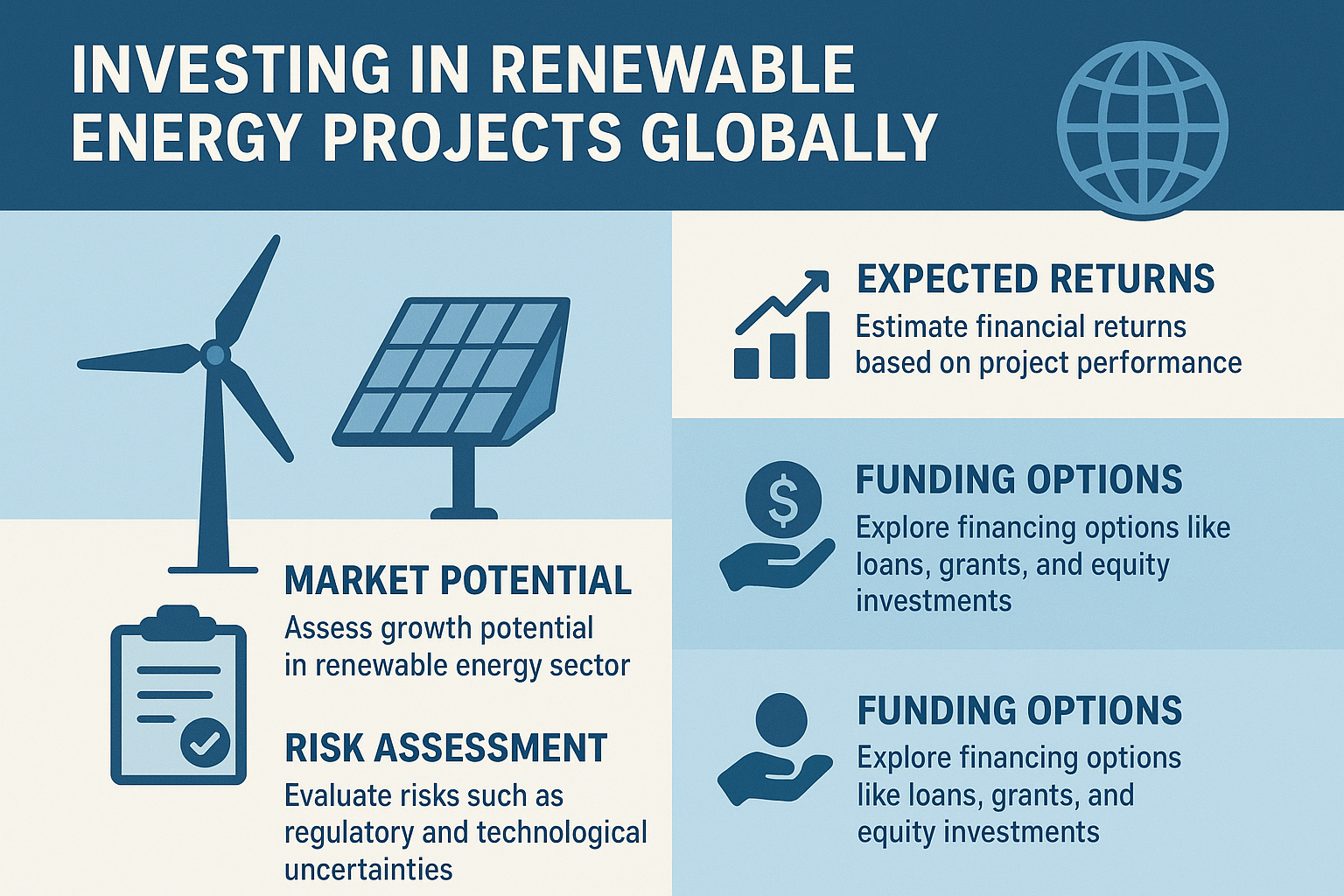
Capitalize on the energy transition. Our guide explores solar, wind, and green hydrogen investments, covering project finance structures, risk mitigation, and high-growth markets for institutional and private investors.
The Unprecedented Investment Megatrend
The global energy landscape is undergoing its most profound transformation since the industrial revolution. Driven by the dual imperatives of climate change and energy security, the shift from fossil fuels to renewable sources is no longer a niche interest but a multi-trillion-dollar investment megatrend. For institutional investors, private equity firms, and sophisticated individuals, allocating capital to clean energy infrastructure offers a compelling proposition: the potential for stable, long-term, inflation-linked returns while contributing to a sustainable future. This definitive guide moves beyond the surface to provide a strategic framework for evaluating, executing, and managing investments in renewable energy projects across the globe.
Section 1: The Investment Case – Beyond ESG
1.1 The Macroeconomic Drivers
- Policy Tailwinds: Worldwide government commitments, such as the US Inflation Reduction Act (IRA), the European Green Deal, and China’s 2060 carbon neutrality pledge, are creating unprecedented subsidies, tax incentives, and regulatory support.
- Energy Security Imperative: Recent geopolitical events have underscored the vulnerability of relying on imported fossil fuels, accelerating national investments in domestic renewable power generation.
- Cost Competitiveness: Levelized Cost of Energy (LCOE) for utility-scale solar and wind power has plummeted, now undercutting new fossil fuel plants in most regions. Renewables are simply the cheapest source of new electricity in many markets.
1.2 The Portfolio Benefits
- Stable, Predictable Cash Flows: Power Purchase Agreements (PPAs) with utilities or corporate off-takers provide long-term revenue visibility, often spanning 15-25 years.
- Inflation Hedging: Many PPAs include escalation clauses linked to inflation indices, protecting real returns.
- Low Correlation: The returns from physical infrastructure assets are primarily driven by operational performance and contract fulfillment, not short-term stock market fluctuations, offering valuable diversification.
- Tangible Asset Backing: Investors own physical assets—solar panels, turbines, batteries—providing intrinsic value.
Section 2: The Project Landscape – From Mature to Emerging Technologies
2.1 Established Technologies (Lower Risk, Competitive Returns)
- Utility-Scale Solar Photovoltaics (PV): The workhorse of the energy transition. Investments focus on site selection, panel efficiency, and grid connection capacity.
- Onshore Wind: A mature technology with a proven track record. Key considerations include wind resource quality, turbine technology, and community acceptance.
- Hydropower: A stable, baseload power source, though opportunities are limited by environmental concerns and geographical constraints.
2.2 Growth & Transition Technologies (Moderate Risk, Higher Potential)
- Offshore Wind: A high-growth sector offering massive scale and stronger, more consistent winds. Requires significant capital and specialized expertise.
- Energy Storage (Battery Storage – BESS): Essential for grid stability and enabling higher renewable penetration. Revenue streams are more complex, coming from capacity markets, frequency regulation, and energy arbitrage.
- Biomass and Geothermal: Provide reliable baseload power but are often location-specific and involve complex fuel supply chains (biomass) or geological exploration risks (geothermal).
2.3 Frontier Technologies (Higher Risk, Speculative Upside)
- Green Hydrogen: Produced using renewable electricity, it holds promise for decarbonizing hard-to-abate sectors like heavy industry and shipping. Currently in the early commercialization phase.
- Advanced Biofuels & Renewable Natural Gas (RNG): Targeting the transportation and heating sectors.
Section 3: The Capital Stack – Understanding Project Finance Structures
Investing in a project means understanding its capital architecture.
- Senior Debt (50-70%): Provided by banks and credit funds. Lowest risk, lowest return. Secured by the project’s assets and cash flows.
- Mezzanine Debt (10-20%): Subordinated debt with higher risk and returns than senior debt. Often includes equity-like features (warrants).
- Equity (20-30%): The highest risk tier. Equity investors own the project and receive distributions after all debt services are paid. They capture the bulk of the upside but bear the first losses.
Investment Vehicles for Access:
- Direct Project Equity: Co-investing directly in a specific project (requires high expertise and capital).
- YieldCos: Publicly traded companies that own operating renewable assets, offering dividend-like yields.
- Infrastructure Funds: Private funds that pool capital from multiple investors to build a portfolio of projects.
- Green Bonds: Debt instruments where proceeds are exclusively applied to finance eligible environmental projects.
Section 4: The Due Diligence Imperative – A Framework for Risk Mitigation
Success hinges on rigorous pre-investment analysis.
- Technical Due Diligence:
- Resource Assessment: Is the solar irradiance or wind speed data accurate and robust?
- Technology Review: Are the panels, turbines, and inverters from reputable manufacturers?
- EPC Contractor: Review the track record of the Engineering, Procurement, and Construction firm.
- Commercial & Contractual Due Diligence:
- Power Purchase Agreement (PPA): The cornerstone of revenue. Analyze the creditworthiness of the off-taker, contract duration, and termination clauses.
- Permitting and Land Rights: Ensure all necessary construction and operational permits are secured and land lease agreements are in place.
- Grid Connection Agreement: Confirm the capacity and terms for injecting power into the transmission system.
- Financial Due Diligence:
- Financial Model Audit: Scrutinize the project’s financial model for assumptions on capacity factor, operating costs, debt service, and returns (IRR).
- Tax Equity Structures: In markets like the US, understanding complex tax credit monetization is crucial.
Section 5: A Global Tour of Investment Hotspots
5.1 Developed Markets (Stable Regulatory Frameworks)
- North America: Driven by the IRA, offering massive tax incentives for solar, wind, storage, and green hydrogen.
- Western Europe: Ambitious Green Deal targets, strong carbon pricing, and a push for energy independence create a robust investment environment, especially in offshore wind.
- Australia: A leader in per-capita rooftop solar adoption with huge potential for utility-scale solar and wind, coupled with a growing need for grid-scale storage.
5.2 Emerging Markets (Higher Growth, Higher Risk)
- Asia (ex-China): Vietnam, India, and the Philippines offer high growth driven by rising electricity demand and supportive policies. Risks include regulatory uncertainty and grid infrastructure.
- Latin America: Brazil (hydro, wind, solar), Chile (solar), and Mexico are attractive markets with excellent natural resources and competitive auction processes.
- Africa: Immense solar potential, but projects often face challenges related to political risk, currency convertibility, and underdeveloped grids. Focus on more stable markets like South Africa, Morocco, and Kenya.
Section 6: Navigating Key Challenges
- Intermittency: The sun doesn’t always shine, and the wind doesn’t always blow. Solutions include hybrid projects (solar+storage) and geographical diversification.
- Grid Integration: Aging grid infrastructure is a major bottleneck. Investments in grid modernization are a parallel opportunity.
- Supply Chain Disruptions: Reliance on Chinese manufacturing for solar panels and global competition for turbines and batteries can cause cost inflation and delays.
- Political and Regulatory Risk: Changes in government support or retroactive subsidy cuts can devastate project economics.
Conclusion: Building a Diversified Clean Energy Portfolio
Investing in global renewable energy projects is a complex yet highly rewarding endeavor. It requires a blend of financial acumen, technical understanding, and geopolitical awareness. The energy transition is a decades-long journey, and capital deployed today is building the infrastructure of tomorrow. By focusing on robust due diligence, understanding the capital stack, and building a geographically and technologically diversified portfolio, investors can capture the attractive risk-adjusted returns of this defining megatrend while powering a sustainable future for the planet.
1 thought on “Best Powering the Future 2026: A Strategic Guide to Global Renewable Energy Project Investments”