
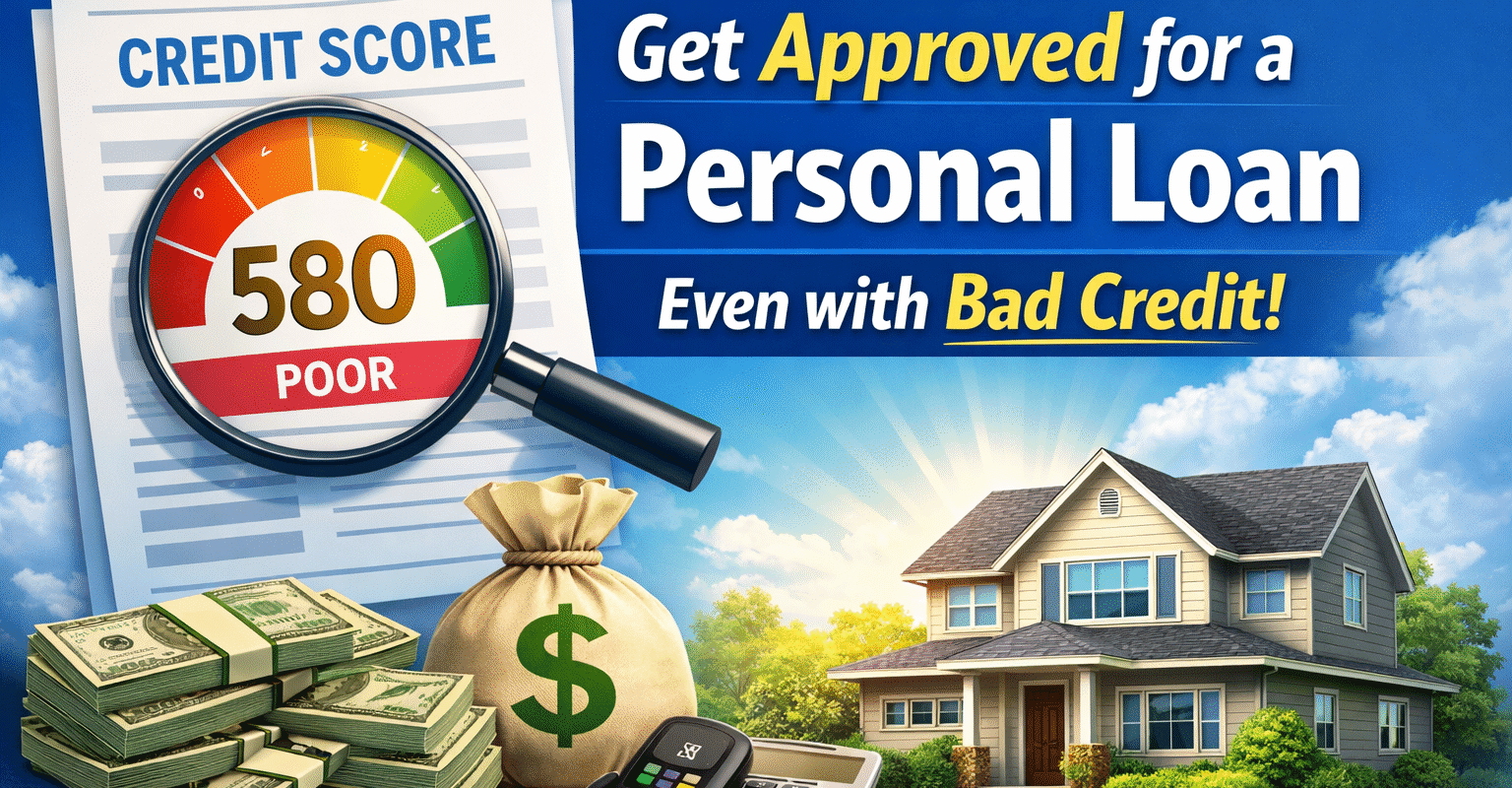
Getting approved for a personal loan with a 580 credit score feels impossible until you know where to look. While traditional banks might turn you away, several legitimate lenders specialize in working with borrowers who have less-than-perfect credit.
Understanding Your 580 Credit Score
A 580 credit score places you in the “poor” credit category, sitting just below the threshold many mainstream lenders use for approvals. This three-digit number tells lenders you’ve faced financial challenges, whether from missed payments, high credit utilization, or past defaults.
But here’s what matters more than the label: thousands of people with similar scores successfully obtain personal loans each month. The key lies in understanding which lenders evaluate applications beyond just credit scores.
Your payment history likely shows some blemishes, and your credit utilization might hover above recommended levels. These factors contributed to your current score, but they don’t define your borrowing future. Smart lenders recognize that credit scores represent past behavior, not necessarily current financial stability or future payment ability.
Legitimate Lenders That Accept 580 Credit Scores
Several established financial institutions actively work with borrowers in your credit range. These lenders have built their business models around responsible lending to people rebuilding their financial lives.
Online Direct Lenders
Upstart stands out by using alternative data points including education and employment history alongside credit scores. Their minimum requirement starts at 300, making them accessible for 580-score borrowers. Loan amounts range from $1,000 to $50,000, with APRs typically between 5.4% and 35.99%.
OneMain Financial operates both online and through physical branches, offering secured and unsecured loans. They consider your overall financial picture, including income stability and existing debt obligations. Borrowers can access $1,500 to $20,000, though rates reflect the higher risk at 18% to 35.99% APR.
Avant targets middle-income borrowers with imperfect credit histories. Their proprietary scoring system often approves applicants traditional lenders reject. Loan amounts from $2,000 to $35,000 come with APRs ranging from 9.95% to 35.99%, with most 580-score borrowers landing in the upper range.
Credit Union Options
Local credit unions frequently offer more flexibility than banks. Navy Federal Credit Union, for members who qualify, provides personal loans with more forgiving credit requirements. Similarly, PenFed Credit Union considers applications holistically, especially for members with established relationships.
Credit unions typically cap their rates at 18% APR due to federal regulations, making them attractive for borrowers concerned about excessive interest charges. The tradeoff involves membership requirements and potentially slower processing times.
Peer-to-Peer Platforms
LendingClub connects borrowers with individual investors willing to fund loans. Their minimum credit score requirement of 600 sits slightly above 580, but strong applications in other areas sometimes receive consideration. Prosper operates similarly, though they’ve tightened requirements in recent years.
These platforms excel at funding debt consolidation loans, as investors understand the value of helping borrowers escape high-interest credit card debt.
Types of Personal Loans Available
Your loan options extend beyond traditional unsecured personal loans. Understanding each type helps you choose the most advantageous path forward.
Secured Personal Loans
Offering collateral dramatically improves approval odds and interest rates. Some lenders accept vehicles, savings accounts, or even valuable personal property as security. The collateral reduces lender risk, translating to better terms for you.
OneMain Financial and Wells Fargo both offer secured personal loan options. The loan amount typically cannot exceed your collateral’s value, but rates often drop several percentage points compared to unsecured alternatives.
Co-signed Loans
Adding a creditworthy co-signer transforms your application. The co-signer’s strong credit history reassures lenders, often resulting in approval at better rates. However, your co-signer assumes equal responsibility for repayment, making this option suitable only with trusted family members or close friends who understand the risks.
Credit Builder Loans
These unique products help improve your credit while providing funds. The lender deposits your loan amount into a locked savings account. You make monthly payments, and upon completion, receive the full amount plus any earned interest. Self and Alliant Credit Union offer popular credit builder programs.
Debt Consolidation Loans
Specifically designed to pay off existing debts, these loans often receive more favorable consideration from lenders who see the responsible financial management intent. Consolidating high-interest credit cards into a single lower-rate loan demonstrates financial awareness that resonates with loan officers.
Improving Your Approval Chances
Strategic preparation before applying significantly impacts your success rate. Smart borrowers take specific steps to strengthen their applications.
Document Your Income Thoroughly
Lenders care deeply about your ability to repay. Gather pay stubs, bank statements, tax returns, and any additional income documentation. Freelancers and gig workers should prepare profit and loss statements or 1099 forms. The more evidence of stable income you provide, the better your position.
Calculate Your Debt-to-Income Ratio
Most lenders prefer DTI ratios below 40%. Calculate yours by dividing monthly debt payments by gross monthly income. If your ratio exceeds 40%, consider paying down some debts before applying or look for ways to document additional income.
Check Your Credit Report for Errors
Mistakes on credit reports occur more frequently than people realize. Request free reports from all three bureaus through annualcreditreport.com. Dispute any errors immediately, as even small corrections might push your score above certain lender thresholds.
Consider a Smaller Loan Amount
Requesting less money improves approval odds and demonstrates responsible borrowing. Start with the minimum amount needed rather than the maximum you might qualify for. You can always apply for additional funds later after establishing a positive payment history.
Time Your Application Strategically
Apply when your bank account shows its highest balance, typically just after payday. Lenders often request bank statements, and healthy balances create positive impressions. Avoid applying during months with unusual expenses that might skew your financial picture.
Red Flags to Avoid
The subprime lending space unfortunately attracts predatory operators. Recognizing warning signs protects you from costly mistakes.
Payday Loan Traps
Despite easy approval, payday loans create dangerous debt cycles. APRs often exceed 400%, and the short repayment terms make default almost inevitable for many borrowers. No matter how desperate your situation, explore every alternative before considering payday loans.
Upfront Fee Scams
Legitimate lenders never require payment before funding your loan. Any request for processing fees, insurance, or other charges before receiving funds signals a scam. Real lenders deduct any fees from your loan proceeds or add them to your repayment amount.
Guaranteed Approval Claims
No responsible lender guarantees approval without reviewing your application. These claims target desperate borrowers and always lead to disappointment or worse. Trustworthy lenders advertise high approval rates, not guarantees.
Unlicensed Lenders
Verify any lender’s credentials through your state’s financial regulatory agency. Unlicensed lenders operate outside consumer protection laws, leaving you vulnerable to illegal collection practices and usurious rates.
Alternative Funding Options
Sometimes traditional personal loans aren’t the best solution. Consider these alternatives that might better suit your situation.
Credit Card Cash Advances
If you have available credit, cash advances provide quick funding without new applications. While expensive, the fees and interest might prove lower than subprime personal loan rates. This option works best for small, short-term needs.
401(k) Loans
Borrowing from your retirement account avoids credit checks entirely. You pay interest to yourself rather than a lender, and rates typically beat any offers available to 580-score borrowers. The primary risk involves potential taxes and penalties if you leave your job before repayment.
Home Equity Solutions
Homeowners might access better rates through home equity loans or lines of credit. Your property serves as collateral, reducing lender risk and your interest rate. However, carefully consider the risk of potentially losing your home before proceeding.
Family and Friends
Personal loans from loved ones avoid interest charges and credit checks. Document any agreements formally to prevent relationship strain. Consider offering collateral or interest to demonstrate your commitment to repayment.
Side Gig Financing
Platforms like Uber, DoorDash, and Instacart offer driver advances and same-day pay options. While not traditional loans, these features provide quick cash flow solutions for active gig workers.
Building Better Credit While Repaying
Your personal loan serves dual purposes: meeting immediate financial needs and rebuilding credit. Maximize this opportunity through strategic management.
Make every payment on time, even if it means sacrificing other expenses temporarily. Payment history comprises 35% of your credit score, making timely payments your most powerful credit-building tool.
Consider automatic payments to eliminate the risk of forgetfulness. Most lenders offer small rate discounts for autopay enrollment, providing additional savings.
Resist the temptation to apply for additional credit immediately after approval. Multiple hard inquiries damage your score and suggest financial distress to future lenders.
Common Questions About 580 Credit Score Loans
How long does approval take with a 580 credit score?
Online lenders typically provide decisions within minutes to hours, with funding available in 1-3 business days. Traditional banks and credit unions might require 3-7 days for processing. Your complete documentation and application accuracy significantly impact timing.
Will checking rates hurt my credit score further?
Most legitimate lenders perform soft credit pulls for rate quotes, which don’t affect your score. Only proceed with full applications after comparing multiple soft-pull offers. Each hard inquiry typically reduces scores by 5-10 points temporarily.
What interest rate should I expect?
Borrowers with 580 scores generally see rates between 18% and 36% APR. Your income, employment stability, and loan purpose influence the specific rate offered. Secured loans and those with co-signers command lower rates within this range.
Can I refinance later with better credit?
Absolutely. Many borrowers use high-interest loans to consolidate debt and build payment history, then refinance at better rates after 12-18 months of timely payments. This strategy requires discipline but saves thousands in interest charges.
What if I get denied everywhere?
Rejection stings, but it provides valuable feedback. Request specific denial reasons, then address those issues before reapplying. Sometimes waiting 3-6 months while improving your financial profile makes the difference between denial and approval.
Moving Forward with Confidence
Securing a personal loan with a 580 credit score requires persistence and smart shopping, but approval remains entirely achievable. Focus on lenders who evaluate complete financial pictures rather than relying solely on credit scores.
Start with credit unions if you qualify for membership, then explore online lenders known for working with challenged credit. Document your income thoroughly, keep loan amounts reasonable, and avoid any lender requesting upfront payments.
Most importantly, view this loan as a stepping stone toward better credit and expanded financial options. Make payments religiously, monitor your credit score’s improvement, and position yourself for better terms in the future. Your current score reflects past challenges, not your financial potential.



[…] this system disadvantages perfectly creditworthy borrowers whose income patterns simply differ from traditional employment. Recognizing this gap, innovative lenders have […]