
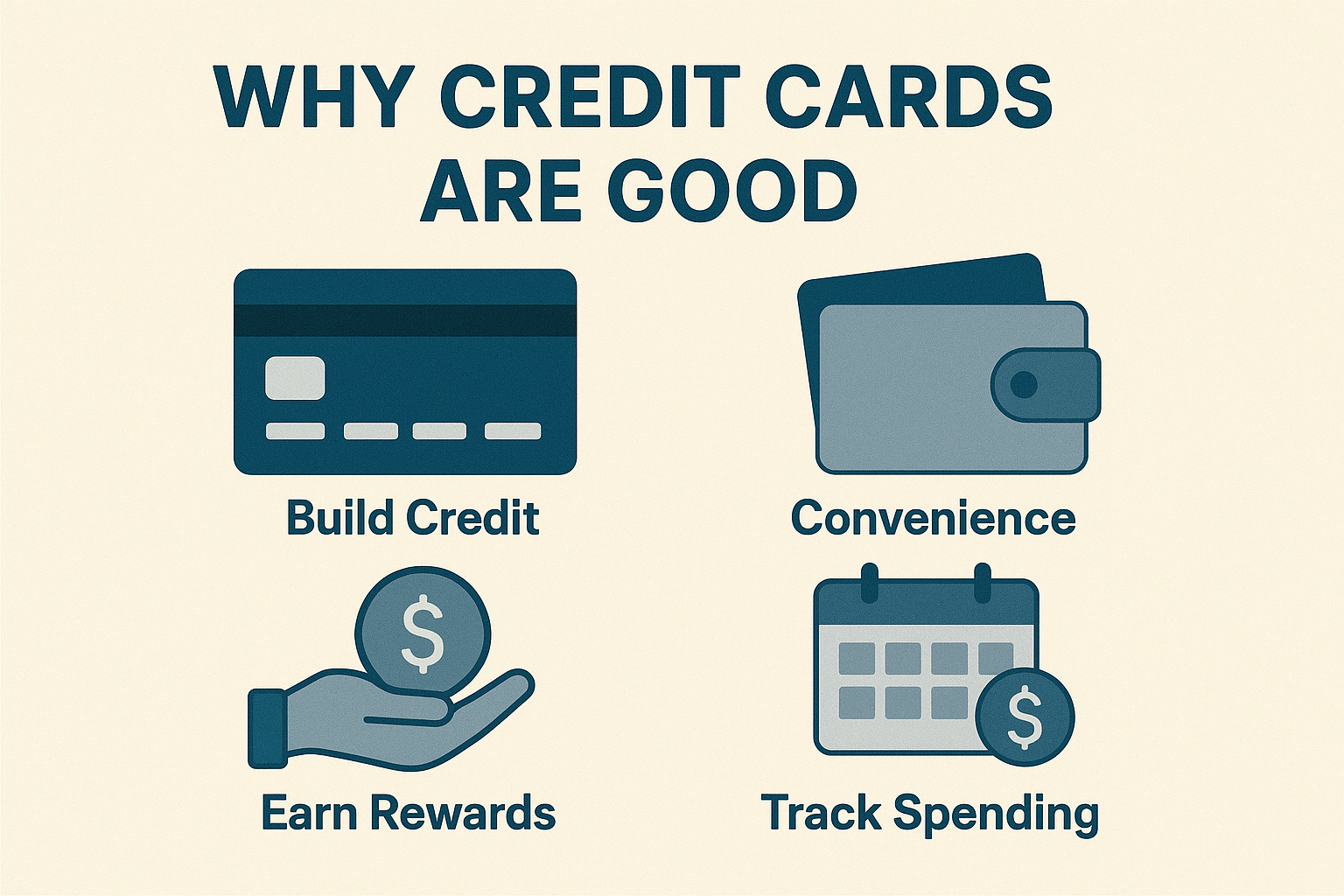
Unlocking the Power of Plastic Money in Modern Finance
In an era where financial literacy determines economic success, understanding the strategic advantages of payment cards has become essential for building wealth and managing money effectively. Despite persistent myths about debt and overspending, charge cards represent powerful financial instruments that, when used responsibly, offer remarkable benefits extending far beyond simple purchasing power.
The modern banking card has evolved from a mere payment method into a sophisticated financial tool offering cash back rewards, purchase protection, credit building opportunities, and exclusive perks that can save thousands of dollars annually. This comprehensive guide explores the multifaceted advantages of plastic money, demonstrating why financial experts consistently recommend these payment instruments as cornerstone components of sound money management strategies.
Whether you’re a young adult establishing financial independence, a family managing household expenses, or a business owner optimizing cash flow, understanding the benefits of bank cards can transform your financial trajectory. From building creditworthiness to earning travel rewards, protecting purchases to managing emergencies, the strategic use of payment cards offers advantages that cash and debit simply cannot match.
Let’s explore the compelling reasons why charge cards deserve a place in your wallet and how leveraging these financial tools responsibly can enhance your economic well-being, provide security, and unlock opportunities previously reserved for the wealthy elite.
Building and Establishing Credit History: Your Financial Foundation
The Gateway to Financial Opportunities
Your credit score serves as your financial reputation, influencing everything from mortgage rates to insurance premiums. Payment cards provide the most accessible pathway to establishing and improving this crucial metric. Unlike loans requiring collateral or substantial income verification, starter charge cards offer young adults and newcomers to credit an opportunity to begin building their financial profile.
When you use plastic responsibly—maintaining low balances and paying bills punctually—each transaction contributes positive data to credit bureaus. This consistent reporting creates a documented history of financial responsibility that lenders value when evaluating future applications. Studies show that individuals with established payment card histories typically qualify for mortgage rates 1-2% lower than those without, potentially saving tens of thousands over a home loan’s lifetime.
The impact extends beyond lending. Employers increasingly check credit reports for positions involving financial responsibility. Landlords evaluate creditworthiness when screening tenants. Insurance companies use credit-based scores to determine premiums. By establishing strong payment history through responsible card usage, you’re not just building credit—you’re creating opportunities across multiple life dimensions.
Strategic Credit Score Optimization
Understanding how payment cards influence credit scores empowers strategic optimization. The credit utilization ratio—the percentage of available credit you’re using—comprises 30% of your FICO score. By maintaining multiple cards with high limits while keeping balances low, you demonstrate financial discipline and improve this crucial metric.
Payment history, representing 35% of your score, benefits from automatic minimum payment settings, ensuring you never miss due dates. Length of credit history (15%) rewards keeping older accounts active, even if rarely used. Credit mix (10%) improves by combining revolving accounts with installment loans. New credit (10%) suggests applying strategically rather than frequently.
Smart cardholders leverage these factors systematically. They might keep utilization below 10%, set up autopay for reliability, maintain their oldest accounts, and space applications appropriately. This strategic approach can improve scores by 50-100 points within months, translating to thousands saved on future loans.
Rewards and Cash Back Programs: Earning While Spending
Transforming Necessary Expenses into Valuable Returns
Modern reward programs transform routine spending into earning opportunities. Cash back cards returning 1.5-2% on all purchases essentially provide automatic discounts on everything you buy. Specialized category cards offering 3-5% returns on groceries, gas, or dining can generate hundreds in annual rewards from expenses you’d incur regardless.
Consider a typical family spending $1,000 monthly on groceries, $300 on gas, and $400 on dining. With optimized reward cards earning 3% on groceries, 4% on gas, and 4% on dining, they’d generate $816 annually—enough for a vacation or emergency fund contribution. Premium cards with sign-up bonuses can add thousands more in first-year value.
The key lies in aligning card selection with spending patterns. Heavy travelers might prioritize airline miles and hotel points. Families could focus on grocery and wholesale club rewards. Young professionals might maximize dining and entertainment categories. By strategically selecting and using appropriate cards, consumers effectively receive discounts unavailable to cash users.
Advanced Rewards Optimization Strategies
Sophisticated users employ multiple tactics to maximize returns:
Category Rotation Mastery: Quarterly bonus categories offering 5% returns require attention but deliver exceptional value. By adjusting spending patterns to maximize these periods—stocking up during grocery quarters or timing major purchases with relevant bonuses—savvy users can dramatically increase earnings.
Portal Shopping Amplification: Online shopping portals operated by card issuers offer additional points or cash back percentages. Combining portal bonuses with card rewards and retailer sales creates triple-dipping opportunities, sometimes reaching 10-15% total returns.
Transfer Partner Leverage: Points from premium cards often transfer to airline and hotel partners at favorable ratios. Strategic transfers during promotions can multiply point values by 2-3x, turning modest balances into premium travel experiences.
Manufactured Spending Techniques: While requiring careful execution, techniques like buying cash equivalents or prepaying expenses during bonus periods can accelerate reward earning without increasing actual spending.
Consumer Protection and Security Features
Comprehensive Purchase Protection Benefits
Payment cards offer protection levels that cash transactions simply cannot match. The Fair Credit Billing Act limits fraud liability to $50, though most issuers provide zero liability policies. When unauthorized charges occur, you dispute them while the bank investigates, never losing actual money from your account—unlike debit card fraud which temporarily depletes available funds.
Extended warranties double or extend manufacturer coverage on eligible purchases, providing free protection that would cost hundreds through third-party warranty companies. Purchase protection covers theft or damage within 90-120 days of buying items, essentially providing free insurance on new purchases. Price protection reimburses differences if items go on sale shortly after purchase, ensuring you always get the best deal.
Return protection allows returns when merchants refuse them, particularly valuable for final sale items or stores with restrictive policies. Some premium cards even offer cell phone protection, covering repairs or replacement when monthly bills are paid with the card—potentially saving hundreds on insurance or repairs.
Travel and Emergency Protections
Travel-related protections transform charge cards into comprehensive insurance policies. Trip cancellation/interruption coverage reimburses non-refundable expenses when covered events force travel changes. Baggage delay insurance provides funds for essentials when luggage arrives late. Lost luggage reimbursement covers replacement costs beyond airline compensation.
Rental car collision damage waivers eliminate the need for expensive rental insurance, saving $15-30 daily. Travel accident insurance provides coverage during trips purchased with the card. Emergency evacuation benefits cover medical transportation costs that could otherwise reach tens of thousands.
Emergency card replacement and cash advances ensure you’re never stranded abroad. Concierge services help with everything from restaurant reservations to emergency travel arrangements. Global assistance hotlines provide 24/7 support for medical or legal emergencies. These services prove invaluable during crisis situations, justifying annual fees through single-use scenarios.
Financial Flexibility and Cash Flow Management
Interest-Free Grace Periods: Strategic Short-Term Financing
The 21-25 day grace period between purchase and payment due dates provides interest-free financing unavailable through other payment methods. This float effectively serves as a free short-term loan, allowing strategic cash flow management. Businesses leverage this for inventory purchases, earning returns before payment comes due. Individuals time major purchases early in billing cycles, maximizing float duration.
During promotional 0% APR periods, often lasting 12-21 months, charge cards become powerful financial tools. These offers enable large purchases or balance transfers without interest charges, providing breathing room for debt consolidation or unexpected expenses. Responsible users treat these as interest-free loans, dividing balances by promotional period length to ensure full repayment before standard rates apply.
The flexibility extends to payment timing. Unlike loans with fixed payment dates, most cards allow choosing due dates that align with income cycles. This customization helps avoid cash crunches and ensures bills are paid when account balances peak. Some issuers even allow mid-cycle payment date changes for unexpected situations.
Emergency Financial Safety Net
While not ideal for long-term borrowing, payment cards provide crucial emergency access to funds. Medical emergencies, car repairs, or job loss can strike without warning. Having available credit provides immediate resources while longer-term solutions are arranged. This safety net prevents desperate decisions like payday loans or retirement account raids that carry severe financial consequences.
The psychology of financial security shouldn’t be underestimated. Knowing you have emergency resources reduces stress and enables better decision-making. This confidence can improve job performance, health outcomes, and relationship quality. The peace of mind from financial backup plans proves invaluable, even if never utilized.
Strategic emergency planning involves maintaining available credit equal to 3-6 months of expenses across multiple cards. This diversification ensures access even if one issuer reduces limits or closes accounts. Keeping these emergency cards active with small periodic purchases prevents closure while maintaining availability for genuine crises.
Convenience and Modern Payment Solutions
Digital Integration and Contactless Technology
Modern payment cards seamlessly integrate with digital wallets, enabling contactless payments through smartphones and wearables. This technology offers superior convenience and security compared to cash or traditional card swipes. Tokenization replaces actual card numbers with unique codes for each transaction, preventing merchant data breaches from compromising accounts.
Mobile payment adoption accelerated dramatically recently, with contactless transactions now representing significant purchase volumes. The ability to leave physical wallets home while maintaining full payment capability through phones represents genuine lifestyle enhancement. Biometric authentication through fingerprints or facial recognition adds security layers while streamlining checkout processes.
Digital integration extends beyond payments. Mobile apps provide real-time transaction notifications, helping detect fraud immediately. Instant purchase categorization aids budgeting and expense tracking. Virtual card numbers for online shopping prevent merchant compromises from affecting primary accounts. Card controls allow temporary freezing for misplaced cards or setting spending limits for authorized users.
Global Acceptance and Travel Convenience
International acceptance makes payment cards indispensable for global commerce and travel. While currency differs worldwide, major card networks operate universally, eliminating need for travelers checks or large cash amounts. Dynamic currency conversion, though sometimes costly, provides payment flexibility in local currencies.
Foreign transaction fee waivers on premium cards save 2-3% on international purchases, meaningful savings for frequent travelers or international online shoppers. Airport lounge access through premium cards transforms travel experiences, providing comfortable spaces with complimentary food and beverages worth $30-50 per visit.
Travel booking protections and benefits multiply value. Booking through card travel portals often provides additional points, price protection, and exclusive experiences. Hotel and airline status matches through premium cards unlock upgrades and perks typically requiring extensive travel. Car rental elite status provides upgrades and faster service. These benefits transform travel from stressful to enjoyable.
Budgeting and Expense Tracking Capabilities
Automated Financial Management Tools
Payment cards provide detailed transaction records that cash cannot match. Monthly statements categorize spending automatically, revealing patterns invisible with cash transactions. This data proves invaluable for budgeting, tax preparation, and financial planning. Many issuers offer sophisticated spending analysis tools, providing insights that previously required expensive financial advisors.
Year-end summaries consolidate annual spending by category, simplifying tax preparation for business expenses or itemized deductions. Integration with personal finance apps like Mint or YNAB automates expense tracking across multiple accounts. Spending alerts notify when approaching budget limits, preventing overspending before it occurs.
The documentation benefits extend to dispute resolution. Detailed transaction records provide evidence for warranty claims, insurance reimbursements, or expense reports. Digital receipts stored automatically eliminate paper management while ensuring documentation availability when needed. This comprehensive record-keeping saves hours during tax season and provides audit trails for business or personal finances.
Behavioral Economics and Spending Psychology
Contrary to popular belief, payment cards can actually improve spending discipline when used strategically. The pain of paying—the psychological discomfort of spending money—differs between payment methods. While cards reduce immediate payment pain potentially encouraging overspending, this same feature enables rational rather than emotional purchase decisions.
Subscription management becomes easier with cards providing centralized billing locations. Alerts for recurring charges help identify forgotten subscriptions for cancellation. Virtual card numbers for trials prevent unwanted continuation charges. The ability to dispute unauthorized recurring charges provides protection unavailable with bank account debits.
Setting up separate cards for different spending categories creates mental accounting boundaries. A dining card with a specific limit prevents entertainment overspending. A groceries-only card ensures food budget adherence. This compartmentalization leverages behavioral psychology for better financial outcomes.
Special Promotions and Exclusive Access
Sign-Up Bonuses: Immediate Value Creation
Welcome bonuses represent some of personal finance’s best risk-free returns. Premium cards offering 100,000+ points for meeting spending requirements can provide $1,000-2,000 in travel value or cash back. Even modest bonuses of $200-300 significantly offset annual fees while providing immediate returns exceeding most investment options.
Strategic bonus optimization involves timing applications with large planned purchases. Home improvements, annual insurance premiums, or holiday shopping can help meet spending requirements organically. Manufactured spending techniques, while requiring careful execution, can help achieve bonuses without increasing actual expenses.
The key lies in treating bonuses as one-time windfalls rather than recurring income. Responsible users plan bonus acquisition strategically, spacing applications to maintain credit health while maximizing returns. This approach can generate thousands in annual value without increasing spending or carrying debt.
Exclusive Experiences and Presale Access
Premium cards increasingly offer experiential benefits beyond financial rewards. Presale access to concerts, sporting events, and theater shows ensures tickets for high-demand events. Exclusive dining experiences at renowned restaurants provide memorable occasions unavailable to general public. Private shopping events offer early access to sales or limited releases.
Entertainment benefits like complimentary streaming services, music subscriptions, or digital publications add hundreds in annual value. Uber credits, DoorDash passes, or Instacart memberships subsidize modern lifestyle services. These perks effectively reduce subscription costs while encouraging trial of new services.
Concierge services handle tasks from dinner reservations to gift purchases, saving time for busy professionals. Travel planning assistance ensures optimal routing and pricing. Event planning support helps coordinate special occasions. These services democratize luxury previously available only to the wealthy.
Business and Professional Advantages
Separating Personal and Business Expenses
Business payment cards provide crucial separation between personal and professional finances. This distinction simplifies accounting, ensures accurate tax reporting, and maintains the corporate veil for liability protection. Detailed categorization helps track deductible expenses, potentially saving thousands in taxes through proper documentation.
Employee cards with customizable spending limits provide control while empowering team members. Real-time monitoring prevents misuse while eliminating reimbursement delays. Detailed reporting simplifies expense reconciliation and identifies spending patterns for cost optimization. Integration with accounting software automates bookkeeping, saving hours of manual entry.
Higher credit limits on business cards accommodate large purchases or seasonal inventory needs without impacting personal credit utilization. Many business cards report only to business credit bureaus, preserving personal scores while building business credit. This separation proves crucial when seeking business loans or establishing vendor relationships.
Professional Development and Networking Benefits
Certain cards offer professional benefits beyond basic financial features. Complimentary membership to airport lounges provides quiet spaces for work during travel. Conference room credits at co-working spaces support remote professionals. LinkedIn Premium or other professional service subscriptions aid career development.
Networking event access through card partnerships creates connection opportunities. Industry conference discounts reduce professional development costs. Business publication subscriptions keep professionals informed. These benefits support career growth while providing tax-deductible business expenses.
Small business resources including legal consultation, accounting software discounts, and marketing tools add value beyond rewards. Educational content about business growth, financial management, and industry trends provides ongoing learning opportunities. Peer networking through cardholder events connects entrepreneurs with potential partners or mentors.
Responsible Usage Strategies and Best Practices
Avoiding Common Pitfalls
While charge cards offer numerous benefits, responsible usage remains paramount. The key principle involves treating cards like cash—never spending money you don’t have. Paying balances in full monthly avoids interest charges that can quickly negate rewards value. Setting up autopay ensures timely payments while maintaining account monitoring for fraud or errors.
Understanding terms and conditions prevents costly mistakes. Annual fees require benefit utilization to justify costs. Foreign transaction fees can add significant costs to international purchases. Balance transfer fees might exceed interest savings on short-term debt. Cash advance fees and immediate interest accrual make ATM withdrawals extremely expensive.
Psychological traps require awareness and mitigation strategies. The reduced payment pain with cards can encourage overspending without proper controls. Rewards pursuit might incentivize unnecessary purchases. Minimum payment options can create false affordability impressions. Recognizing these tendencies enables protective measures like spending limits, budget tracking, and regular account reviews.
Optimization Without Obsession
Maximizing benefits shouldn’t become overwhelming or time-consuming. The 80/20 principle applies—basic optimization captures most value without excessive complexity. Using 2-3 cards for different categories provides strong returns without juggling dozens of accounts. Automating payments and alerts maintains account health without constant monitoring.
Regular reviews ensure continued optimization as circumstances change. Annual fee evaluations confirm benefits justify costs. Reward program changes might necessitate strategy adjustments. New card offerings could provide superior value. Life changes like marriage, children, or retirement alter spending patterns and benefit priorities.
Balance optimization efforts with life enjoyment. Hours spent pursuing minimal reward improvements could be better invested in income generation or relationships. The goal involves enhancing life through financial tools, not becoming enslaved to point maximization. Sustainable strategies providing good returns with minimal effort prove superior to complex systems requiring constant attention.
Future Trends and Evolving Benefits
Technological Innovation in Payment Cards
Emerging technologies continue expanding card capabilities. Biometric cards with fingerprint sensors eliminate signature or PIN requirements while enhancing security. Dynamic CVV codes changing regularly prevent online fraud. Cryptocurrency rewards appeal to digital asset enthusiasts. Carbon footprint tracking helps environmentally conscious consumers understand purchase impacts.
Artificial intelligence personalizes rewards and offers based on spending patterns. Machine learning improves fraud detection while reducing false positives. Predictive analytics suggest optimal card usage for maximum rewards. Natural language processing enables conversational customer service through chat or voice assistants.
Open banking initiatives enable deeper financial integration. Cards might automatically switch payment methods to maximize rewards. Spending could trigger automatic savings transfers. Investment opportunities could be funded through cash back rewards. These integrations transform cards from payment tools into comprehensive financial management platforms.
Evolving Consumer Expectations
Post-pandemic changes altered consumer priorities and issuer responses. Flexible rewards replacing category restrictions accommodate changing spending patterns. Enhanced digital experiences reduce branch and phone support needs. Sustainable cards made from recycled materials appeal to environmental consciousness. Social impact rewards supporting charitable causes resonate with values-driven consumers.
Competition drives continuous benefit enhancement. Streaming service credits respond to entertainment evolution. Food delivery perks acknowledge lifestyle changes. Wellness benefits including gym memberships or meditation apps address health priorities. Home improvement rewards recognize increased domestic focus. These evolving benefits ensure cards remain relevant as society changes.
Conclusion: Embracing Payment Cards as Financial Empowerment Tools
The Compelling Case for Strategic Card Usage
The evidence overwhelmingly supports the responsible use of payment cards as beneficial financial instruments. From building credit history essential for major life purchases to earning rewards that effectively discount all spending, from protecting purchases against fraud and defects to providing emergency financial resources, charge cards offer advantages that alternative payment methods simply cannot match.
The key lies not in whether to use payment cards, but in how to leverage them strategically. By selecting appropriate cards for your spending patterns, paying balances in full monthly, and maximizing available benefits, these financial tools become powerful allies in building wealth and achieving financial goals. The combination of convenience, security, rewards, and financial flexibility creates value propositions that extend far beyond simple payment functionality.
Modern payment cards have evolved into sophisticated financial instruments that, when used responsibly, enhance rather than endanger financial health. The protections, rewards, and benefits available through strategic card usage can save thousands annually while providing peace of mind and lifestyle enhancement previously unavailable to average consumers.
Your Action Plan for Payment Card Success
Success with payment cards begins with honest self-assessment. Evaluate your spending patterns, financial goals, and personal discipline. If you can commit to paying balances in full monthly and tracking spending, the benefits far outweigh any risks. Start with a single card matching your primary spending category, master its benefits, then gradually expand as comfort and knowledge grow.
Education remains crucial for maximizing value. Read card agreements to understand benefits and limitations. Follow reputable personal finance resources for optimization strategies. Join online communities where users share experiences and tactics. Stay informed about new offerings and benefit changes. This ongoing learning ensures you’re always optimizing your approach.
Remember that payment cards are tools—neither inherently good nor bad. Like any tool, their value depends on how they’re used. A hammer can build a house or destroy one; the outcome depends on the user’s skill and intention. Similarly, payment cards can build wealth and provide security when used wisely, or create debt and stress when used carelessly.
Final Thoughts: The Path Forward
The decision to embrace payment cards as positive financial tools marks a step toward financial sophistication and empowerment. By understanding and leveraging the numerous advantages these instruments offer—from basic cash back to premium travel benefits, from purchase protection to credit building—you position yourself for improved financial outcomes and enhanced life experiences.
The journey toward optimal card usage requires patience, discipline, and continuous learning. Start small, focus on responsible habits, and gradually expand as confidence grows. Track results to confirm benefits exceed costs. Adjust strategies as life circumstances change. Most importantly, maintain perspective—cards should enhance life, not complicate it.
Your financial future deserves every advantage available. Payment cards, when used strategically and responsibly, provide tools for building credit, earning rewards, protecting purchases, and managing cash flow that can significantly impact your economic trajectory. The question isn’t whether charge cards are good—it’s whether you’re ready to harness their power for your financial benefit.
The path to financial success includes many components: earning, saving, investing, and smart spending. Payment cards support each element when properly utilized. They’re not magic solutions to financial challenges, but rather powerful tools that, combined with sound financial principles, can accelerate your journey toward financial freedom and security.