
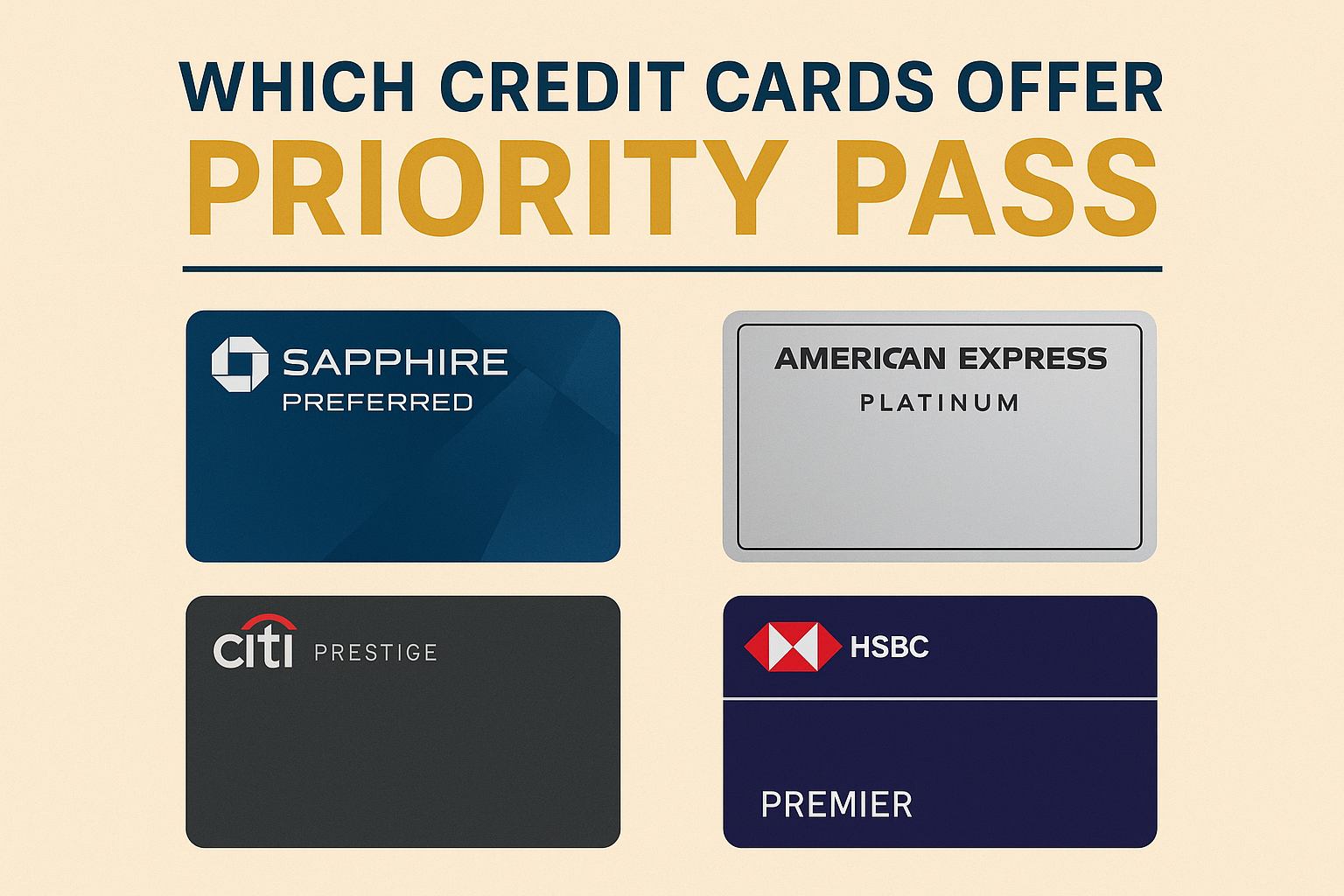
Discover all premium credit cards with free Priority Pass lounge access. Compare benefits, guest policies & fees. Chase, Amex, Capital One + more reviewed.
Unlocking Airport Lounge Access Through Premium Payment Cards
For frequent travelers and aviation enthusiasts, accessing airport lounges transforms the flying experience from stressful to serene. Priority Pass, the world’s largest independent airport lounge network, provides entry to over 1,300 lounges globally, offering complimentary refreshments, comfortable seating, reliable WiFi, and peaceful environments away from crowded terminals. While individual Priority Pass memberships can cost hundreds annually, numerous premium payment cards include this valuable benefit at no additional charge, making luxury travel accessible to cardholders who understand which financial products provide this coveted perk.
The landscape of bank cards providing lounge access has evolved dramatically, with issuers recognizing that travel benefits significantly influence consumer choice in the competitive premium card market. Understanding which charge cards include Priority Pass membership, the specific terms of access, and how these benefits compare across different products helps travelers maximize their investment in annual fees while enjoying enhanced airport experiences worldwide.
This comprehensive guide examines every major payment card currently offering Priority Pass benefits, analyzing the specific terms, guest policies, and relative value propositions. Whether you’re a business traveler seeking productivity spaces, a leisure traveler wanting comfort during layovers, or someone evaluating premium card benefits, this detailed analysis reveals exactly which financial products provide the airport lounge access you desire.
Understanding Priority Pass: What It Is and Why It Matters
The Global Lounge Network Explained
Priority Pass operates independently from airlines and alliances, granting members access to participating lounges regardless of travel class or carrier. This flexibility makes it particularly valuable for travelers who fly various airlines or book economy tickets but still desire lounge amenities. The network includes airline-operated lounges, independent facilities, and even airport restaurants offering dining credits.
Unlike airline-specific lounge memberships tied to particular carriers or alliances, Priority Pass works across terminals and airlines, providing options in most major airports globally. Members can access participating lounges when departing, arriving, or transiting, with some locations offering multiple lounge options within single airports. This extensive coverage ensures travelers find refuge from busy terminals almost anywhere they journey.
The Value Proposition for Cardholders
Individual Priority Pass memberships range from $99 for digital-only access with per-visit fees to $469 for unlimited visits including guests. When premium cards include these memberships, they effectively provide hundreds in annual value beyond other card benefits. For travelers using lounges even occasionally, this inclusion often justifies premium annual fees independently.
Beyond monetary savings, lounge access enhances travel experiences through reduced stress, improved productivity, and better refreshment options than typical terminal offerings. Business travelers can conduct meetings in quiet spaces, families find comfortable areas for children, and all travelers enjoy complimentary food and beverages that easily exceed typical airport prices. These experiential benefits, while harder to quantify, significantly impact travel satisfaction.
Premium Travel Cards Providing Complimentary Priority Pass
The Chase Sapphire Reserve: Industry-Leading Lounge Benefits
Chase Sapphire Reserve stands as one of the most generous Priority Pass providers among American-issued cards. Cardholders receive unlimited complimentary access for themselves and two guests per visit, with no restrictions on visit frequency. This benefit alone provides value exceeding the card’s $550 annual fee for frequent lounge users, especially those traveling with companions.
The Sapphire Reserve’s Priority Pass membership includes full network access, including participating restaurants offering statement credits. At locations like Corona Beach House in Miami or Timberline Steaks in Denver, cardholders receive up to $28 per person in dining credits, effectively providing free meals at quality airport restaurants. This expanded benefit differentiates Chase’s offering from competitors limiting access to traditional lounges only.
Additional travel perks complement the lounge access, including $300 annual travel credits, Global Entry/TSA PreCheck fee reimbursement, and primary rental car insurance. The card earns 3X points on travel and dining purchases, with points transferable to numerous airline and hotel partners. For travelers valuing both lounge access and flexible rewards, Sapphire Reserve represents compelling value despite its substantial annual fee.
American Express Platinum Card: Extensive Lounge Portfolio
The American Express Platinum Card provides Priority Pass Select membership alongside access to Amex’s proprietary Centurion Lounges and Delta Sky Clubs when flying Delta. This multi-network approach offers cardholders more lounge options than any single network provides, though specific access terms vary by lounge type.
Priority Pass benefits through Amex Platinum include unlimited visits for the primary cardholder and two guests. However, American Express excludes certain Priority Pass locations, particularly restaurants participating in the network. This limitation means Platinum cardholders can’t access Priority Pass restaurants that Chase Sapphire Reserve members enjoy, though the extensive Centurion Lounge network often compensates in major airports.
The Platinum Card’s $695 annual fee includes numerous additional benefits: $200 annual airline fee credits, $200 Uber credits, $240 digital entertainment credits, $200 hotel credits, and $189 CLEAR Plus credits. These benefits can offset the annual fee entirely for users who maximize them, making the included lounge access essentially free. The card also provides hotel elite status with Hilton and Marriott, enhancing travel experiences beyond airport lounges.
Capital One Venture X: Newcomer with Competitive Benefits
Capital One’s Venture X entered the premium travel market in 2021 with aggressive benefits including unlimited Priority Pass access. Primary cardholders and two authorized users receive complimentary membership with unlimited visits, though guest access requires payment. This structure favors couples or families where multiple family members hold cards rather than single cardholders traveling with non-cardmember companions.
The Venture X’s $395 annual fee is effectively offset by $300 annual travel credits bookable through Capital One Travel, plus 10,000 anniversary bonus miles worth approximately $100. This pricing strategy makes it one of the most affordable ways to obtain Priority Pass membership, especially considering the card also provides access to Capital One Lounges opening in select airports.
Additional benefits include 2X miles on all purchases, with bonuses for travel booked through Capital One. The card provides primary rental car insurance, travel accident insurance, and no foreign transaction fees. For cost-conscious travelers seeking lounge access without excessive annual fees, Venture X presents exceptional value, though its lounge network lacks the breadth of American Express or Chase alternatives.
Business Cards Offering Priority Pass Benefits
Chase Ink Business Preferred: Small Business Travel Solution
The Ink Business Preferred Credit Card includes Priority Pass Select membership despite its modest $95 annual fee, making it the most affordable Chase card providing lounge access. Cardholders receive unlimited personal visits, though guests incur charges. This structure suits solo business travelers perfectly while remaining affordable for occasional lounge users.
Beyond lounge access, Ink Business Preferred offers valuable benefits for small business owners: 3X points on travel, shipping, internet/cable/phone services, and advertising purchases (up to $150,000 annually). Points transfer to Chase’s travel partners identically to personal cards, providing flexibility for business and personal redemptions. The combination of low annual fees, strong earning rates, and lounge access makes this card exceptional for business owners who travel occasionally.
The card’s business focus means approval requires business documentation, though sole proprietorships using Social Security Numbers qualify. Cell phone protection, primary rental car insurance, and purchase protections add value for business operations. For entrepreneurs seeking affordable lounge access while building business credit, Ink Business Preferred represents an optimal solution.
American Express Business Platinum: Premium Business Benefits
The Business Platinum Card from American Express mirrors personal Platinum lounge benefits while adding business-specific perks. Cardholders access Priority Pass, Centurion, and Delta Sky Club lounges with identical terms to personal Platinum cards. The $695 annual fee matches personal versions, but benefit structures differ significantly.
Business Platinum provides 35% airline bonus when booking through Amex Travel (up to 500,000 points annually), effectively providing 1.54 cents per point value on flight redemptions. Annual credits include $200 airline fees, $200 Dell credits, and $360 Indeed credits for recruitment. The card earns 1.5X points on eligible purchases over $5,000, rewarding high business spending.
Multiple employee cards cost $300 annually each but include their own Priority Pass memberships, making this valuable for companies with traveling teams. The ability to extend lounge access to employees while earning rewards on business expenses justifies premium fees for many organizations. Global Entry credits apply to multiple employees, further enhancing team travel experiences.
Capital One Venture X Business: New Competitor
Launched in 2022, Venture X Business matches its personal counterpart’s Priority Pass benefits while adding business-focused features. The $395 annual fee includes identical travel credits and anniversary bonuses, maintaining the effective negative cost structure. Authorized employee cards cost $75 annually but include separate Priority Pass memberships.
Business-specific benefits include 2X miles on all purchases with no categories to track, simplifying expense management. The card integrates with expense management platforms and provides detailed spending reports for accounting purposes. Free employee cards for non-Priority Pass users allow businesses to distribute cards widely while controlling lounge access costs.
Early adopters report satisfaction with Capital One’s business services and straightforward rewards structure. While lacking the established business relationships of American Express, Capital One’s aggressive pricing and simple benefits appeal to cost-conscious business owners seeking straightforward value propositions.
Hotel-Branded Cards with Airport Lounge Access
Marriott Bonvoy Brilliant American Express: Hotel and Airport Benefits
The Marriott Bonvoy Brilliant Amex provides Priority Pass Select membership alongside extensive Marriott benefits. Cardholders receive unlimited lounge visits without guest privileges, suitable for solo travelers who value hotel benefits equally with airport lounges. The $650 annual fee includes up to $300 Marriott statement credits and $100 dining credits, potentially offsetting costs significantly.
Hotel benefits include automatic Platinum Elite status, providing room upgrades, late checkout, and bonus points on Marriott stays. Annual free night certificates (up to 85,000 points) provide substantial value at premium properties. The combination of hotel status, free nights, and lounge access appeals to travelers who frequently stay at Marriott properties while flying various airlines.
The card earns 6X points at Marriott properties and 3X on flights and restaurants, accumulating Bonvoy points rapidly. These points transfer to over 40 airline partners, providing flexibility beyond Marriott redemptions. For loyal Marriott customers who also value airport lounges, this card bundles multiple travel benefits efficiently.
Hilton Honors Aspire American Express: Comprehensive Travel Package
Hilton Aspire cardholders receive Priority Pass Select membership with 10 free visits annually, after which visits cost $32 each. While limited compared to unlimited options, this benefit adds value to an already benefit-rich card. The $450 annual fee includes up to $250 airline credits, $250 Hilton resort credits, and complimentary Diamond status.
Diamond status provides exceptional value for frequent Hilton guests through guaranteed room upgrades, executive lounge access at hotels, and milestone bonuses. Annual weekend night certificates provide additional value at virtually any Hilton property. The combination of top-tier hotel status and limited airport lounge access suits travelers who prioritize hotel benefits but appreciate occasional airport lounge visits.
Earning rates include 14X points at Hilton properties and 7X on flights, car rentals, and restaurants. A $100 Waldorf Astoria/Conrad credit provides luxury hotel savings. For Hilton loyalists, the Aspire card’s benefits package justifies its annual fee even with limited Priority Pass visits.
Alternative Cards Providing Lounge Access Benefits
U.S. Bank Altitude Reserve: Hidden Gem
The Altitude Reserve includes Priority Pass membership with unlimited visits for cardholders and authorized users, though guests pay $27 per visit. The $400 annual fee is offset by $325 annual travel credits, making effective cost just $75. This positions Altitude Reserve among the most affordable options for obtaining Priority Pass membership.
Unique features include 3X points on travel and mobile wallet purchases, rewarding modern payment methods. Points redemption for travel provides 1.5 cents per point value, delivering 4.5% return on mobile wallet spending. Real-time rewards redemption against travel purchases provides flexibility similar to cash back programs.
The card requires existing U.S. Bank relationships for approval, limiting accessibility. However, current U.S. Bank customers find exceptional value through low effective fees and unique earning structures. Smart Chip technology and comprehensive travel protections round out benefits appealing to security-conscious travelers.
Citi Prestige: Discontinued but Grandfathered
While Citi discontinued new Prestige applications, existing cardholders retain Priority Pass benefits worth mentioning. Unlimited access for cardholders and immediate family or two guests provides generous coverage. Grandfathered cardholders should carefully consider whether replacement cards match these benefits before canceling.
The Prestige’s 4th night free benefit on hotel stays and 5X earning on restaurants and air travel remain valuable for retained accounts. Annual fees vary based on when accounts were opened, with some customers maintaining $350 rates significantly below current premium card pricing. These legacy benefits make Prestige cards worth keeping for fortunate existing holders.
Bank of America Premium Rewards Elite: Regional Option
Bank of America’s Premium Rewards Elite provides Priority Pass membership, though specific terms depend on the cardholder’s Preferred Rewards status. The $550 annual fee includes $300 airline incidental credits and $100 Global Entry/TSA PreCheck credits. Preferred Rewards members receive up to 75% rewards bonuses, potentially earning 3.5X points on travel and dining.
The card appeals primarily to Bank of America wealth management clients who maximize Preferred Rewards benefits. Without elite status, benefits don’t justify annual fees compared to competitors. However, Platinum Honors members find exceptional value through enhanced earning rates and relationship benefits extending beyond the card itself.
Maximizing Priority Pass Benefits: Strategy and Tips
Understanding Access Limitations and Restrictions
Not all Priority Pass memberships provided through payment cards offer identical benefits. Key differences include guest policies, visit limitations, and restaurant inclusion. Chase Sapphire Reserve’s inclusion of two free guests per visit provides substantially more value than cards charging for guest access, particularly for family travelers.
Some cards exclude Priority Pass restaurants from coverage, limiting options in airports where traditional lounges don’t exist. Understanding these restrictions before choosing cards prevents disappointment when traveling. Additionally, certain popular lounges restrict Priority Pass access during peak periods, making alternative lounge networks valuable for comprehensive coverage.
Optimizing Multiple Lounge Networks
Savvy travelers often combine multiple cards to access different lounge networks. Holding both American Express Platinum for Centurion Lounges and Chase Sapphire Reserve for Priority Pass restaurants maximizes options. While annual fees accumulate, travelers who maximize various credits and benefits often find multiple premium cards worthwhile.
Consider geographic coverage when selecting cards. Centurion Lounges excel in major American hubs, while Priority Pass provides better international coverage. Regional bank cards might offer specific airline club access valuable for home airport departures. Strategic card selection based on travel patterns optimizes lounge availability while minimizing redundant benefits.
Guest Policies and Family Considerations
Travelers frequently accompanying family or colleagues should prioritize cards with generous guest policies. Chase Sapphire Reserve’s two free guests per visit provides exceptional value for family travelers compared to per-guest charges. Alternatively, adding authorized users with their own Priority Pass memberships might prove more economical for large families.
Some cards provide Priority Pass memberships to authorized users at no additional cost, while others charge substantial fees. Understanding these structures helps families minimize costs while ensuring everyone enjoys lounge access. Employee cards on business versions often include separate memberships, benefiting companies with multiple travelers.
Recent Changes and Updates to Priority Pass Benefits
Post-Pandemic Modifications
COVID-19 significantly impacted airport lounge operations, with many facilities implementing capacity restrictions, reservation requirements, and modified service offerings. While most restrictions lifted, some changes persist. Digital menus, pre-packaged foods, and enhanced cleaning protocols remain common. Travelers should verify specific lounge operations before relying on access during tight connections.
Several card issuers temporarily enhanced benefits during pandemic recovery, offering additional credits or extended expiration dates. Most temporary enhancements expired, but some issuers made positive changes permanent. Staying informed about benefit modifications ensures cardholders maximize available perks.
Network Expansion and Contraction
Priority Pass continually adds and removes participating lounges based on contracts and business conditions. Recent additions include expanded restaurant partnerships and new independent lounges in underserved airports. However, some popular locations now exclude Priority Pass during peak periods, affecting access reliability.
Card issuers occasionally negotiate exclusive lounge access or enhanced benefits for their customers. American Express cardholders might find different Priority Pass experiences than Chase customers at identical lounges. Understanding issuer-specific benefits helps set appropriate expectations when traveling.
Competitive Landscape Evolution
The premium card market grows increasingly competitive, with issuers regularly enhancing benefits to attract and retain customers. Recent trends include lower effective annual fees through increased credits, expanded authorized user benefits, and proprietary lounge networks supplementing Priority Pass access.
New entrants like Capital One Venture X disrupted pricing models, forcing established players to reevaluate benefit structures. This competition benefits consumers through improved value propositions and expanded choices. Monitoring market developments helps cardholders identify opportunities to upgrade or switch cards for better benefits.
Choosing the Right Card for Your Travel Needs
Frequent Traveler Considerations
Road warriors flying weekly need different benefits than occasional vacation travelers. High-frequency travelers should prioritize unlimited access, generous guest policies, and multiple lounge networks. Cards like American Express Platinum or Chase Sapphire Reserve justify premium fees through extensive usage.
Consider home airport lounge options when selecting cards. If your primary airport lacks Centurion Lounges, American Express Platinum’s Priority Pass restrictions might prove problematic. Conversely, travelers based near major Centurion Lounge locations might find Amex Platinum superior despite Priority Pass limitations.
Budget-Conscious Options
Travelers seeking affordable lounge access should evaluate effective annual fees after credits rather than stated fees. Capital One Venture X’s $395 fee becomes negative after travel credits, providing essentially free Priority Pass membership. Similarly, U.S. Bank Altitude Reserve’s low effective fee appeals to cost-conscious consumers.
Some travelers find better value combining lower-fee cards with purchased lounge memberships for specific airlines. If primarily flying one carrier, airline-specific lounge memberships might prove more economical than premium cards. Calculate expected lounge usage against annual fees to determine optimal strategies.
Business vs. Personal Considerations
Business travelers should evaluate whether personal or business cards better suit their needs. Business cards often provide expense management tools and employee card benefits valuable for companies. However, personal cards might offer superior travel benefits or easier approval requirements.
Tax implications differ between personal and business cards, particularly regarding annual fees and rewards redemptions. Consult tax professionals about optimal structures for your situation. Some travelers maintain both personal and business premium cards, maximizing benefits while properly categorizing expenses.
Alternative Lounge Access Methods
Direct Priority Pass Membership
Purchasing Priority Pass membership directly might prove economical for certain travelers. Digital memberships start at $99 annually with per-visit fees, suitable for infrequent lounge users. Standard Plus membership at $329 includes 10 free visits, while Prestige membership at $469 provides unlimited access.
Direct membership lacks additional card benefits like travel credits, insurance, or rewards earning. However, travelers who don’t value these perks or already hold other rewarding cards might find direct membership more straightforward. Compare total value propositions rather than focusing solely on lounge access costs.
Airline-Specific Programs
Frequent flyers on particular airlines might find carrier-specific lounge memberships superior to Priority Pass. United Club, Delta Sky Club, and American Admirals Club memberships provide guaranteed access to airline lounges, often with better amenities than contract lounges. These memberships typically cost $500-650 annually but include guest privileges and guaranteed access.
Some airline credit cards provide lounge access or discounted memberships. The United Club Infinite Card includes full membership, while various Delta cards offer Sky Club access or discounted memberships. These specialized products serve loyal customers of specific airlines better than general Priority Pass access.
One-Time Purchase Options
Travelers who rarely visit lounges might prefer purchasing individual visits rather than maintaining memberships. LoungeBuddy and similar apps enable single-visit purchases at participating lounges, typically costing $25-60 per visit. This approach suits infrequent travelers who don’t justify annual memberships.
Some airlines sell day passes to their lounges, providing access regardless of ticket class. These passes often cost less than Priority Pass day rates while accessing superior facilities. Research specific airport options before traveling to identify optimal access methods.
Future Outlook for Card-Based Lounge Access
Emerging Trends
The airport lounge landscape continues evolving with new concepts and access models. Grab-and-go markets, sleep pods, and spa services expand beyond traditional lounge offerings. Future Priority Pass benefits might include access to these alternative airport amenities, providing more diverse traveler benefits.
Biometric technology increasingly streamlines lounge access, with facial recognition replacing physical cards at some locations. This technology might eventually enable seamless lounge entry based on payment card registration rather than separate membership cards. Such innovations could make lounge access more convenient while reducing operational costs.
Proprietary Network Development
Major card issuers increasingly develop proprietary lounge networks to differentiate offerings. Chase Sapphire Lounges and Capital One Lounges represent significant investments in exclusive facilities. These issuer-specific lounges provide unique experiences unavailable through Priority Pass, potentially shifting value propositions toward proprietary benefits.
As proprietary networks expand, Priority Pass inclusion might become less critical for premium cards. Issuers might negotiate better terms with Priority Pass or develop hybrid models combining proprietary and third-party access. These developments could fundamentally reshape how cardholders access airport lounges.
Technology Integration
Digital innovations continue transforming lounge experiences. Mobile apps increasingly handle reservations, food ordering, and amenity requests. Virtual queuing systems manage capacity while improving user experiences. Integration with card issuer apps might eventually provide seamless experiences from booking to lounge access.
Artificial intelligence might personalize lounge experiences based on traveler preferences and patterns. Predictive analytics could suggest optimal lounge visits based on flight delays or connection times. These technological advances could make lounge access more valuable and efficient for cardholders.
Conclusion: Selecting Your Optimal Priority Pass Card Solution
The landscape of payment cards providing Priority Pass membership offers diverse options serving various traveler needs and budgets. From premium offerings like American Express Platinum and Chase Sapphire Reserve to value-focused alternatives like Capital One Venture X, each card presents unique combinations of lounge access, travel benefits, and rewards structures. Understanding these differences enables informed decisions aligned with individual travel patterns and financial priorities.
Priority Pass membership through premium cards provides exceptional value for frequent travelers, often justifying annual fees independently. However, optimal card selection requires considering broader benefit packages, including travel credits, insurance protections, and earning rates. The most expensive card doesn’t necessarily provide the best value; rather, the ideal choice aligns benefits with personal usage patterns.
As the travel industry continues recovering and evolving, lounge access remains a valued benefit differentiating premium payment products. Whether seeking refuge during long layovers, productive workspace between meetings, or simply elevated travel experiences, Priority Pass access through carefully selected credit cards enhances journeys while providing tangible value exceeding annual fee investments.
The decision ultimately depends on individual travel frequency, companion considerations, budget constraints, and complementary benefit preferences. By thoroughly evaluating options presented in this guide and honestly assessing personal travel patterns, cardholders can confidently select products maximizing both lounge access and overall travel value. As competition intensifies and benefits evolve, staying informed about changes ensures continued optimization of these valuable travel benefits.